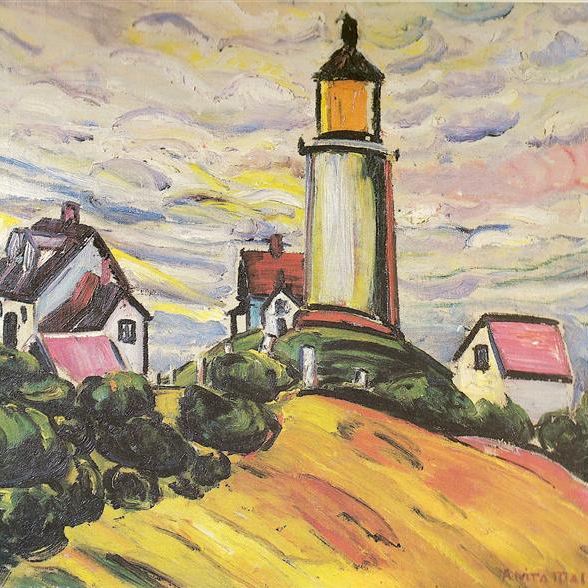
Há um poema de Agostinho Neto que gosto muito de lembrar e que gostava por isso que fosse aqui um começo para falar da Farol, mas também de muitas outras coisas. Talvez para falar de quase tudo no mundo onde estamos é importante lembrar este poema, ele chama-se Criar, e é também aqui um começo:
Criar criar
criar no espírito criar no músculo criar no nervo
criar no homem criar na massa
criar
criar com os olhos secos
Criar criar
sobre a profanação da floresta
sobre a fortaleza impúdica do chicote
criar sobre o perfume dos troncos serrados
criar
criar com os olhos secos
Criar criar
gargalhadas sobre escárneo da palmatória
coragem na ponta da bota roceiro
força no esfrangalho das portas violentadas
firmeza no vermelho sangue da insegurança
criar
criar com os olhos secos
Criar criar
estrelas sobre o camartelo guerreiro
paz sobre o choro das crianças
paz sobre o suor sobre a lágrima do contrato
paz sobre o ódio
criar
criar paz com os olhos secos
Criar criar
criar liberdade nas estradas escravas
algemas de amor nos caminhos paganizados do amor
sons festivos sobre o balanceio dos corpos em formas simuladas
criar
criar amor com os olhos secos.
Agostinho Neto
Nascemos para criar. Espanto, Surpresa, Mundos, Histórias. Conexões seguras, conexões e segurança. Nascemos para criar e para isso temos as mãos, mais feitas de surpresa e luz (também ela física) do que outra qualquer matéria. Nascemos para criar: “Criar no músculo, criar no nervo, criar na pele, criar no homem, criar na massa, gargalhadas sobre escárneo da palmatória, coragem na ponta da bota roceiro, força no esfrangalho das portas violentadas, firmeza no vermelho sangue da insegurança” (Criar Criar Criar) com os olhos secos e vivos, estrelas, paz, liberdade e sons festivos.
Nascemos para criar Liberdade e Vida. Histórias seguras. Com os olhos vivos. Com as palavras que o amor nos dá (Fernando Assis Pacheco). A linguagem enquanto união. Diremos, a poesia une, a poesia conecta, a poesia começa, a poesia abre e é por isso um estado de atenção e abertura, conector de vidas e criador e revitalizador de mundos:
“É preciso transver o mundo” (Manoel de Barros). Também com todas as palavras a criar: Mais palavras são precisas lembrará Pedro Eiras em Ecos para Mário Cesariny. É este o nosso trabalho, lembra Mary Oliver, amar o mundo: “Deixem-me ocupar a minha mente com aquilo que na verdade interessa, que é o meu trabalho”, “Olhar para cada um como se fossemos parte da mesma semente. Uma espécie de grande útero onde se concebeu uma espécie clemente” “Todos nós conseguimos ser criadores do mais belo dos mundos” (Lígia Reyes: O tempo interior é tempo na medida dos Deuses).
Contra o meu peito
um outro mundo
que começa.
Contra o meu peito dorme
um outro mundo
que começa.
(João Bosco da Silva: Alva e Komorebi)
Num mundo sem janelas abertas
não existem acenos a quem passa
nem arcobotantes de verticalidade impossível
nem caravelas na distância em valsa de adamastor
(Raquel Patriarca: Definição de “janela tipo varanda”)
Em altura de muros e irrealidade a poesia é a realidade mais pura e por isso a ela nos cabe lembrar o mais importante. Também isso é matéria da poesia em Algo-Ritmos de Luís Felício e em Supervivir de Rober Diaz. “Começa agora a história das crianças perdidas” (Gabriela do Amaral) “A magia e o terror bailando. Ecos da montanha” (João Pedro Azul).
A Farol é só um encontro de vidas que começou por partir da ideia de celebrar a criação literária, artística nas línguas românicas, do Departamento de Línguas e Literaturas Românicas da Universidadade de Buffalo. Desta forma este número inicial traz poemas em português, espanhol, italiano, catalão e crioulo haitiano, da poesia visual de Karine Belizar, os haikus de João Bosco da Silva, às glosas de Pedro Eiras, à micro-ficção de João Habitualmente em Manuel Jubilão: – Cinco fragmentos biográficos.
Este número inicial inclui também os poemas colectivos criados por estudantes e professores da Universidade de Buffalo na Ofícina de Escrita Poética Colectiva, Plural, assim como criação poética dos alunos de português do Departamento de Línguas e Literaturas Românicas.
Não podemos deixar de agradecer aqui todo o apoio dado pelo Departamento de Línguas e Literaturas Modernas, desde logo a Amy Graves Monroe, Chair do Departamento que desde o início apoiou esta ideia e a ajudou por isso a crescer. O trabalho especial das Professoras Paola Ugolini e Colleen Culleton que não só colaboraram neste número como autoras e tradutoras mas também com recomendações vitais para este número inicial. Ao Professor Stéphane Térosier pelo apoio e recomendações de criação poética em crioulo do Haiti e Martinica. A Alejandra Ramirez, o seu apoio criativo e contínuo, aos estudantes e professores que criaram colectivamente poemas nas aulas e na oficina de criação poética colectiva e principalmente a todos os autores que participam nesta primeira Farol. São eles Luís Felício, Rober Diaz, Joana de Bastos Rodrigues, Ernesto Moamba, Francesco Ciabattoni, Lauren Mendinueta, Paola Ugolini, Salvador Espriu, João Bosco da Silva, José Ángel García Caballero, Gabriela do Amaral, João Pedro Azul, João Habitualmente, Alessandro Polcri, Lígia Reyes, Pedro Eiras, Marília Miranda Lopes, Raquel Patriarca, Karina Belizar, Diego Espíritu, Colleen Culleton, Ricardo Miguel Godinho, Diego Espiritu Chávez, Angela Chen, Kamiu Mori e Oliver Whitmen, que com a sua criatividade e o seu trabalho aumentam também o nosso mundo. Obrigado! Todas as leituras, sugestões e mais pontos de partida são bem-vindas.
Comecemos então Esta Farol!
Nuno Brito,
Búfalo, 13 de Dezembro de 2024.
WE WERE BORN TO CREATE
Introduction by Nuno Brito
There’s a poem by Agostinho Neto that I really like to remember and that I’d like to use here as a starting point to talk about Farol, but also to talk about many other things. Perhaps to talk about almost everything in the world where we are, it’s important to remember this poem, it’s called Criar, and it’s also a starting point to this Lighthouse.
Create create
create in the spirit create in the muscle create in the nerve
create in man create in mass
create
create with dry eyes
Create create
on the desecration of the forest
on the impudent fortress of the whip
create on the perfume of sawn logs
create
create with dry eyes
Create create create
laughter over the scorn of the paddle
courage on the tip of the farmer’s boot
strength in the crunch of violated doors
firmness in the red blood of insecurity
create
create with dry eyes
Create create create
stars on the warrior’s camel
peace over the cries of children
peace over the sweat over the tear of the contract
peace over hatred
create
create peace with dry eyes
Create create
create freedom on slave roads
shackles of love on the paganized paths of love
festive sounds over the swaying of bodies in simulated forms
create
create love with dry eyes.
Agostinho Neto
We were born to create: Amazement, surprise, worlds, stories. Secure connections, connections and security. We are born to create and for this we have our hands, which are more made of surprise and light (which is also physical) than any other matter. We were born to create: “To create in the muscle, to create in the nerve, to create in the skin, to create in the man, to create in the dough, laughter at the mockery of the spanking, courage at the tip of the rocker’s boot, strength in the scrape of violated doors, firmness in the red blood of insecurity” (To Create, To Create, To Create) with dry and lively eyes: “Stars, peace, freedom and festive sounds”. We were born to create Freedom and Life. Stories with security. With living eyes. With the words that love gives us (Fernando Assis Pacheco). Language as union. We will say that poetry unites, poetry connects, poetry begins, poetry opens, and is therefore a state of attention and openness, a connector of lives and a creator of worlds:
“It is necessary to transview the world” (Manoel de Barros). Also with all the words to create: More words are needed, Pedro Eiras recalls in “Echos – for Mário Cesariny”; This is our job, Mary Oliver reminds us, “to love the world: ‘Let me occupy my mind with what really matters, which is my work’; in another way: “To look at each person as if we were part of the same seed. A great womb where a forgiving species was conceived” ‘We can all be creators of the most beautiful of worlds’ (Lígia Reyes: The time in the measure of the Gods).
Against my chest
another world
that begins.
Against my chest sleeps
another world
that begins.
João Bosco da Silva: Alva e Komorebi
In a world without open windows
there are no beckoning passers-by
nor arcobots of impossible verticality
nor caravels in the distance in an adamastor’s waltz
Raquel Patriarca: Definition of “balcony window”
At a time of walls and unreality, poetry is the purest and in tht way the entire reality, that’s why is she remember s all of us, and through all of us, the most important and urgent things. This is also the matter of the poems Algo-Ritmos by Luís Felício and Supervivir by Rober Diaz. “Now begins the story of the lost children” (Gabriela do Amaral) ”Magic and terror dancing. Echoes from the mountain” (João Pedro Azul).
Farol is just a meeting of lives that began with the idea of celebrating literary and artistic creation in the Romance languages, within the Department of Romance Languages and Literatures at the University at Buffalo, so this initial issue features poems in Portuguese, Spanish, Italian, Catalan and Haitian Creole, from the visual poetry of Karine Belizar to the haikus of João Bosco da Silva or the glosses of Pedro Eiras, from the micro-fiction of João Habitualmente in Five biographic fragments of Manuel Jubilão .
This initial issue also includes collective poems created by students and professors from the University at Buffalo, in the Collective Poetic Writing Workshop: Plural, as well as poetic creations by the students of portuguese in the Department of Romance Languages and Literatures.
It is important here to thank all the support within the Department of Modern Languages and Literatures, first and foremost Amy Graves Monroe, Chair of the Department, who supported this idea from the beginning and therefore helped it grow, the special work of Professors Paola Ugolini and Colleen Culleton who not only collaborated on this issue as authors and translators but through vital recommendations for this initial issue, Professor Stéphane Térosier for his support and recommendations for poetic creation in Haitian and Martinican Creole, Alejandra Ramirez, for her unreachable, creative and continuous support, the students and teachers who collectively created poems in class and in the collective poetic creation workshop and, above all, the authors who, in different languages, contributed to this first Farol: They are: Luís Felício, Rober Diaz, Joana de Bastos Rodrigues, Ernesto Moamba, Francesco Ciabattoni, Lauren Mendinueta, Paola Ugolini, Salvador Espriu, João Bosco da Silva, José Ángel García Caballero, Gabriela do Amaral, João Pedro Azul, João Habitualmente, Alessandro Polcri, Lígia Reyes, Pedro Eiras, Marília Miranda Lopes, Raquel Patriarca, Karina Belizar, Diego Espíritu, Colleen Culleton, Ricardo Miguel Godinho, Diego Espiritu Chávez, Angela Chen, Kamiu Mori and Oliver Whitmen, who with their creativity and their work also make our world bigger. Thank you! All readings, suggestions and further starting points are very welcome.
Let’s start this Lighthouse!
Nuno Brito,
Buffalo, December 13, 2024.

Nuno Brito was born in Porto in 1981. He wrote the Poetry and Short Storie books: “Delírio Húngaro” (Porto: 2009), “Creme de la Creme” (Porto: 2011), “Duplo-Poço” (Lisbon: 2012), “As Abelhas Produzem Sol” (Porto: 2015), “Ode menina” (Porto: 2021), and the Anthologies: “Estação de Serviço em Mercúrio” (Lisbon: 2015), and “Escrever um poema sobre a liberdade e vê-lo arder” (Bilingual edition: Spanish and Portuguese (Cáceres: 2022). In 2009 he awarded with the Literary Prize of the Student Association of the Faculty of Arts of the University of Porto (AE /FLUP). He studied Literature and History at the Faculty of Arts of the University of Porto and later Portuguese and Brazilian Literatures at the University of California in Santa Barbara where he was Lecturer of the Camões: Institute of Cooperation and Language. He lives now in Buffalo with his family where he is Visiting Professor in the Department of Romance Languages and Literatures in the University at Buffalo, The State University of New York.
 Farol: Journal of literature and other arts