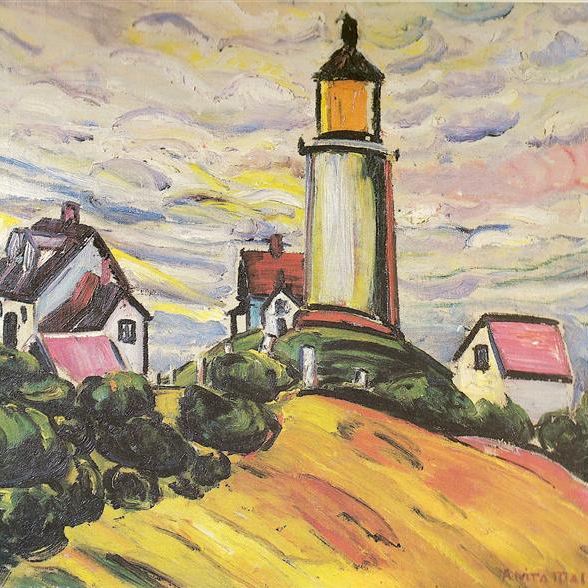
A poesia deste momento inunda a minha vida inteira
Carlos Drummond de Andrade.
Olá Liberdade! É o fim de um poema moçambicano de Albino Magaia, chamado Flor nascida do silêncio:
Tu nasceste
da sucessão de noites
grossas de silêncio
quando aqueles que sofriam
te imaginavam tão bela
como flor que és
– Olá liberdade!
(1983)
Mas também o começo de uma canção brasileira de Chico Buarque do outro lado do Atlântico. E o começo de uma canção e o final de um poema, de um ou de outro lado de um mar, é também sempre o começo de uma coisa maior e sem fim. Como quem acende cigarros com um cigarro anterior ou sem fogo mantêm viva uma vela em candeia, numa cadeia de velas que começou há mil anos. É que na escala coletiva e mais viva, a da partilha, a poesia é de todos, a nossa possibilidade mais verdadeira e concreta: centro exato que queremos ver de frente. Nos olhos da Liberdade. O Amor mais puro. O Amor Ondulante. Em 2025. A Festa da Liberdade. E Toda a Poesia. Não Temos mais nada a pedir do que a perfeição de que somos capazes.
Porque infinitamente a poesia aumenta o mundo e o espanto e a surpresa de criar, que nele há contagiosa e maior. A Poesia une e aumenta o mundo, como o riso, a arte ou a felicidade e a coragem contagiante, ela é uma vitória (em ondas fortes) contra o medo, a estagnação e a indiferença. Enquanto os girassóis dançarem à roda de um sol dançante, o amor não terá fim e Será Surpresa e Expansão, Vitória e Opulência, Força, Verdade, Vitalidade e Imaginação sem fim.
Poesia-Começo:
A Farol número dois reúne aqui criações artísticas, literárias, poéticas de Alberto Lins Caldas, Amelia Moser, Ana Pessoa, Ana Queiroz, Aurelino Costa, Ciah Courtney, Diego Espíritu, Federica Ortíz, Fernanda Drummond, Hector Rodriguez, Ivan Pozzoni, João Melo, J. Carlos Teixeira, Ozias Filho, Pedro Lopes Adão, Raquel Serejo Martins, Renato Filipe Cardoso, Rita Cana Mendes, Solange Freitas e Tânia Tomé.
Poesia e conto em português, espanhol, italiano e inglês de Angola, Brasil, México, Moçambique, Portugal, Estados Unidos da América e Itália. Agradecemos aqui todo o apoio dentro de Departamento de Línguas e Literaturas Românicas, desde logo a Amy Graves Monroe, Chair do Departamento que desde o início apoiou esta ideia e a ajudou por isso a crescer. O trabalho especial dos professores pelas sugestões e ideias e à criatividade de alunos e professores que na Oficina de Escrita Poética Plural e na sala de aula, com a sua criatividade individual e coletiva teceram também este número. Um Grande Obrigado a todos os autores, leitores, criadores, obrigado pela partilha e pela continuidade deste projeto. A Alejandra Ramirez, o seu apoio contínuo, criativo e incessante Obrigado! Todas as leituras, sugestões, partilhas e mais pontos de partida são bem-vindas!
Comecemos então esta Farol número dois!
Nuno Brito, Buffalo, 5 de Março de 2025.
Olá Liberdade!
Hello, Freedom!
Introduction to Farol #2
The poetry of this moment floods my whole life.
Carlos Drummond de Andrade.
Hello, Freedom! This is the end of a Mozambican poem by Albino Magaia, called Flower Born from Silence:
You were born
from the succession of nights
thick with silence
when those who suffered
imagined you so beautiful
as the flower you are
Hello, freedom!
(1983)
But it is also the beginning of a Brazilian song by Chico Buarque from the other side of the Atlantic.
And the beginning of a song and the end of a poem, from one side or the other of a sea, is always the beginning of something bigger and endless, like someone lighting cigarettes with a previous one or, without fire, keeping a candle alive in a lantern, in a chain of candles that began a thousand years ago. On a collective and livelier scale, poetry belongs to everyone and is our truest possibility: the exact center that we want to see face to face: In the eyes of Freedom. The Birth of the Sun and the Birth of the Purest Love. The Most Alive and Undulating Love. The Love in Waves. Warm. 2025.
The Festival of Freedom.
And All the Poetry.
We have nothing more to ask
but the perfection
that we are capable of.
Because Poetry, creation, unites, it is important to thank the growing current that started long ago, the strength and creativity of all and in us, and the invincible and unlimited power to create. Infinitely, poetry enlarges the world, and the astonishment and surprise of creating within it can only be greater: While sunflowers dance around a dancing sun, love will have no end. It will be expansion, victory, opulence, strength, vitality, and imagination. Poetry enlarges the world and, like laughter and art, is a true victory over fear, stagnation, and indifference.
Our second number of the Farol: Journal of Literature and other Arts brings together artistic, literary, and poetic creations from Alberto Lins Caldas, Amelia Moser, Ana Pessoa, Ana Queiroz, Aurelino Costa, Ciah Courtney, Diego Espíritu, Federica Ortíz, Fernanda Drummond, Hector Rodriguez, Ivan Pozzoni, João Melo, J. Carlos Teixeira, Ozias Filho, Pedro Lopes Adão, Raquel Serejo Martins, Renato Filipe Cardoso, Rita Cana Mendes, Solange Freitas, and Tânia Tomé. Poetry and short stories in Portuguese, Spanish, Italian, and English from Angola, Brazil, Mexico, Mozambique, Portugal, the United States of America, and Italy. Thank you to all the authors and to everyone in the Department of Romance Languages and Literatures at the University at Buffalo, especially Amy Graves Monroe, Chair of the Department, who has supported this idea from the beginning and helped it grow. Special thanks to the professors for their suggestions and ideas, and to the creativity of students and professors who, in the Plural Poetic Writing Workshop and the classroom, with their individual and collective creativity, also contributed to this issue. A Big Thanks to all the authors, readers, and creators; thank you for sharing and for the continuation of this project. To Alejandra Ramirez, for her continuous, creative, and tireless support – Thank you!
Let’s begin this Farol number two!
Nuno Brito,
Buffalo, March 5, 2025
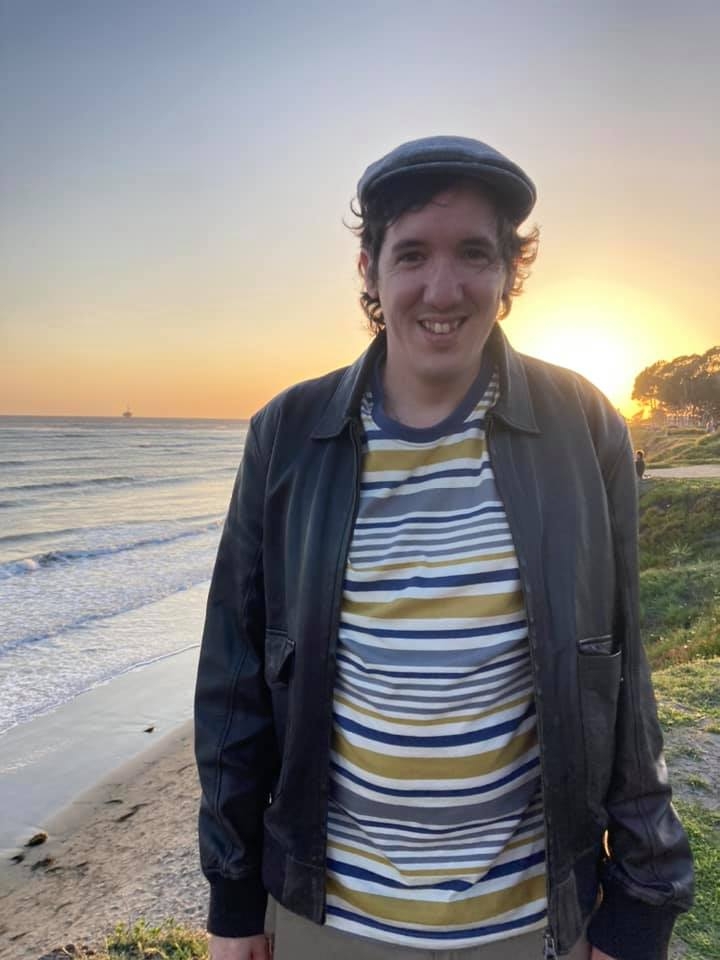
Nuno Brito was born in Porto in 1981. He wrote the Poetry and Short Storie books: “Delírio Húngaro” (Porto: 2009), “Creme de la Creme” (Porto: 2011), “Duplo-Poço” (Lisbon: 2012), “As Abelhas Produzem Sol” (Porto: 2015), “Ode menina” (Porto: 2021), and the Anthologies: “Estação de Serviço em Mercúrio” (Lisbon: 2015), and “Escrever um poema sobre a liberdade e vê-lo arder” (Bilingual edition: Spanish and Portuguese (Cáceres: 2022). In 2009 he awarded with the Literary Prize of the Student Association of the Faculty of Arts of the University of Porto (AE /FLUP). He studied Literature and History at the Faculty of Arts of the University of Porto and later Portuguese and Brazilian Literatures at the University of California in Santa Barbara where he was Lecturer of the Camões: Institute of Cooperation and Language. He lives now in Buffalo with his family where he is Visiting Professor in the Department of Romance Languages and Literatures in the University at Buffalo, The State University of New York.
 Farol: Journal of literature and other arts