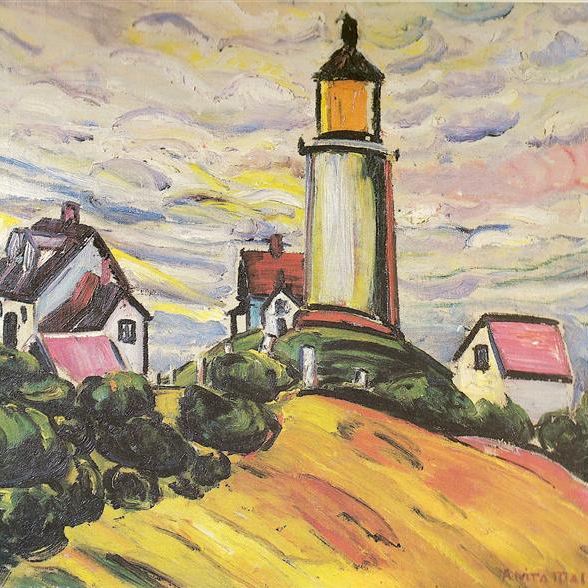
(Introduction)
Não penso autenticamente se os outros também não pensam. Simplesmente, não posso pensar pelos outros nem para os outros nem sem os outros.
Paulo Freire Pedagogia da Esperança.
Na Califórnia o fogo corre sempre para o mar, ouvia-se a voz de um bombeiro numa rádio de Goleta depois dos maiores incêndios dos últimos anos na região. Em Arouca, em Trancoso, na Serra da Freita, o fogo andava na Beira. O Fogo sabe o seu caminho e o fogo queima. O coração Azul do fogo, Vivo e Vermelho e Dourado, as línguas do fogo. E Viva o fumo que dele nos alerta! Como esse e da mesma natureza (o fogo que arde sem se ver) imagem de Luís Vaz de Camões para o Amor; imagem poética para o amor e o desejo, a chama-dupla de Octavio Paz. Símbolo vivo o fogo é a nossa natureza; Mudança, desejo e adentro: A estrada que começa (sem fim) e o amor urgente: Não temos outro mundo para tornar mais humano”(João Melo).
“The Gods are here,
the stories are you,
and your fear
and your hope
is as old
as the language of smoke,
the language of blood,
the language of
languishing love.
The gods are all here.
Because the gods are in us.”
No coração dos bombeiros o reflexo do fogo !do fogo urgente! (Vitorino Almeida Ventura) o amor eterno no coração dos bombeiros , nos olhos das pirómanas, o coração da árvore que espera a cerejeira abraçável só por todas as crianças da aldeia, juntos poucos e pequeninos braços acendem o coração da cerejeira onde a madeira é mais forte e resistente. A que arde mais tempo e se guarda para o inverno, madeira escura para os móveis grandes antigos, densa e inquebrável, também nela o fogo arde e queima em tudo abraçável queima como um segredo no coração das crianças que enterraram juntas uma libélula ao lado do limoeiro, um enterro de uma abelha numa caixinha quadrada, formigas, um exército de caracóis veio para nos unir lentamente, nas asas rápidas da libélula feitas da mistura exata de fogo, nervo, labirinto e perda. Da nossa medida também o mesmo fogo e matéria que há na espuma: sol e sal e água, vida pulsante, movimento e amor eterno, a espuma onde nasceu Vénus, a deusa do Amor que ama em Camões os que cometem o risco. Queria ter mil mãos (Santa Teresa de Ávila), para expressar o meu amor a deus, todo o amor é preciso, para expressar o meu amor ao mundo são precisos todos os caminhos todas as mãos, a vitalidade e o fogo. A arte, a Poesia, é urgente, só, simplesmente porque aproxima. Porque sabe sempre o seu caminho, o caminho mais directo – Abraçável – O fogo abre as asas.
Para que tudo una outra vez, escrevemos, criamos, aproximamos, juntamos espuma. Fechamos os olhos. Começamos, pulsantes, pequenos, sim, “é preciso começar a pensar. É preciso começar a mexer algo dentro de cada um de nós. É esse o significado. Realmente isso tem tudo a ver com o que representamos aqui” (Joseph Beuys: Cada homem é um artista), por isso estamos. Aqui. Quer dizer, a arte em todo o lado, maior que nós, nós todos em todo o lado, o começo e a intuição, sabedoria que aquece e vive em tudo, a arte enquanto capital (Joseph Beuys), a criatividade enquanto capital. Somos nós quer só talvez dizer: Nascemos para ganhar e para unir e para partir também, esse é o nosso capital que ficará no mundo ainda depois de nós (os que aquecem) Onda maior disto tudo: A vitalidade do mundo dentro de cada um de nós. Para nascer mais fortes, isto quer dizer, continuar a ser humanos. Que fazer quando tudo arde? (Sá de Miranda). Estamos juntos nisto.
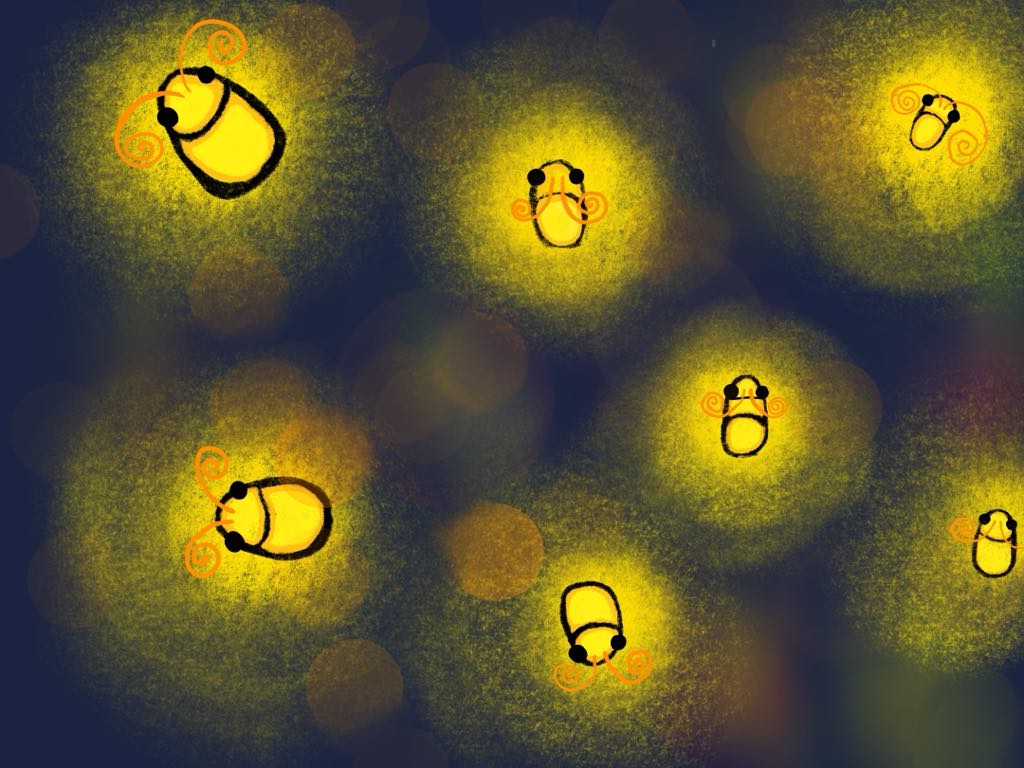
Um Obrigado Muito Grande Obrigado a todas as pessoas que tornaram a Farol possível, este número 4, obrigado aos autores presentes pela sua criatividade, partilha de entusiasmo e generosidade: Carlos Belém, Carlos Vinagre, Casé Lontra Marques, Chus Pato,Elizabeth Olegario, Fernando Fiorese, Hélène Dorion, , Israel Campos, João Freitas Mendes, João Gibson, Jorge Sousa Braga, José Ferreira, Juana Adcock, Nuno Moura, Olinda Beja,Óscar Fanheiro, Paulo José Borges, Pedro Ludgero, Rita Pitschieller Pupo, Simone Bacelar, Valeria Correa Fiz e Vitorino Almeida Ventura. Um imenso obrigado a Diego Espíritu pela criação conjunta deste número, Carlos Amador, Paola Ugolini, Fernanda Negrette, Colleen Culleton, Stéphane Térosier, Henry Berlin, o entusiasmo, o apoio, as sugestões, divulgação, um obrigado muito grande a Amy Graves Monroe, Derectora do Departamento de Línguas e Culturas Românicas que desde o começo apoiou e encorajou esta ideia que foi crescendo. Um Obrigado muito grande a Teresa Almeida Pinto, às Bozes Boadoras do Mercado do Bolhão, no Porto, e a Ozias Filho, as sugestões, partilha, amizade, Um Obrigado muito Grande e Especial a Alejandra Ramirez, o apoio inteiro, a edição e revisão. À Gisel a capa e o fogo, os pirilampos.
Nuno Brito, Buffalo, 21 de Agosto de 2025.
The Heart of Firefighters:
Farol #4!
I do not think authentically if others do not also think. I simply cannot think for others, nor with others, nor without others.
Paulo Freire, Pedagogy of Hope
In California, the fire always runs toward the sea, one could hear a firefighter’s voice on a Goleta radio after the largest fires of recent years in the region. In Arouca, in Trancoso, in the Serra da Freita, the fire roamed Beira. Fire knows its path, and fire burns. The Blue heart of fire, alive and red and golden, the tongues of fire. And long live the smoke that warns us! Like it and of the same nature (the fire that burns unseen), an image by Luís Vaz de Camões for Love; a poetic image for love and desire, the double-flame of Octavio Paz. As a living symbol, fire is our nature: change, desire, and inwardness; the road that begins (without end) and urgent love: We have no other world to make more human. — João Melo.
“The Gods are here,
the stories are you,
and your fear
and your hope
is as old
as the language of smoke,
the language of blood,
the language of
languishing love.
The gods are all here.
Because the gods are in us.”
(Kate Tempest, Brand New Ancient)
In the heart of firefighters, the reflection of fire! (urgent fire!) — Vitorino Almeida Ventura — eternal love in the hearts of firefighters, in the eyes of the pyromaniacs, the heart of the tree that waits for the embrace of the cherry tree only for all the children of the village. Together, small and few arms ignite the heart of the cherry tree, where the wood is stronger and more resilient. The wood that burns longer and is kept for the winter, dark wood for large antique furniture, dense and unbreakable, in it too the fire burns and consumes everything that is embraceable; it burns like a secret in the hearts of children who buried a dragonfly together next to the lemon tree, a bee in a small square box, ants, an army of snails came to unite us slowly, in the swift wings of the dragonfly made from the exact mixture of fire, nerve, labyrinth, and loss. In our measure, also, the same fire and matter that exist in foam: sun and salt and water, pulsating life, movement, and eternal love; the foam where Venus was born, the goddess of Love who loves, in Camões, those who take risks. I wish I had a thousand hands (Saint Teresa of Ávila) to express my love for God; all love is needed. To express my love for the world, all paths and all hands, vitality and fire, are necessary. Art, Poetry, is urgent, simply because it brings us closer. Because it always knows its path, the most direct path — Embraceable — fire spreads its wings.
So that everything may unite again, we write, create, bring together, gather foam. We close our eyes. We begin, pulsating, small, yes: “It is necessary to begin to think. It is necessary to begin to move something inside each one of us. That is the meaning. This really has everything to do with what we represent here.” — Joseph Beuys, Every Man is an Artist
That is why we are here. Here. It means: Art everywhere, greater than us, all of us everywhere, the beginning and intuition, wisdom that warms and lives in everything, art as capital (Joseph Beuys), creativity as capital. We are us, perhaps only wanting to say: We are born to win and to unite and to depart as well; that is our capital that will remain in the world even after us (those who warm). The greatest wave of all this: the vitality of the world within each of us. To be born stronger — this means continuing to be human. “What to do when everything is burning” (Sá de Miranda) We are in this together.
A very big thank you to all the people who made Farol possible, this issue number 4. Thanks to the authors present for their creativity, sharing of enthusiasm, and generosity: Carlos Belém, Carlos Vinagre, Casé Lontra Marques, Chus Pato, Elizabeth Olegario, Fernando Fiorese, Hélène Dorion, Israel Campos, João Freitas Mendes, João Gibson, Jorge Sousa Braga, José Ferreira, Juana Adcock, Nuno Moura, Olinda Beja, Óscar Fanheiro, Paulo José Borges, Pedro Ludgero, Rita Pitschieller Pupo, Simone Bacelar, Valeria Correa Fiz, and Vitorino Almeida Ventura.
A huge thank you to Diego Espíritu for the joint creation of this issue, and to Carlos Amador, Paola Ugolini, Fernanda Negrette, Colleen Culleton, Stéphane Térosier, Henry Berlin, for the enthusiasm, support, suggestions, and promotion. A very big thank you to Amy Graves Monroe, Director of the Department of Romance Languages and Cultures, who supported and encouraged this idea from the very beginning as it grew.
A very big thank you to Teresa Almeida Pinto, the Bozes Boadoras of Mercado do Bolhão in Porto, Portugal, and Ozias Filho, for the suggestions, sharing, and friendship.
A Very Big and Special Thank You to Alejandra Ramirez for full support, and all the help in the editing, and proofreading.
To Gisel, for the cover and the fire, the fireflies.
Nuno Brito, Buffalo August 21, 2025.
Farol #4!
O Coração dos bombeiros!
Carlos Belém
Carlos Vinagre
Casé Lontra Marques
Chus Pato
Elizabeth Olegario
Fernando Fiorese
Gibson João
Hélène Dorion
Israel Campos
João Freitas Mendes
Jorge Sousa Braga
José Ferreira
Juana Adcock
Nuno Moura
Olinda Beja
Óscar Fanheiro
Paulo José Borges
Pedro Ludgero
Rita Pitschieller Pupo
Simone Bacelar
Valeria Correa Fiz
Vitorino Almeida Ventura
Farol #4!
Direcção: Nuno Brito
Corpo Editorial: Nuno Brito, Diego Espíritu
Coordenação de Comunicação e Difusão:
Carlos Amador, Paola Ugolini e Colleen Culletton
Edição e Revisão: Alejandra Ramirez
Edição de imagem: Nuno Brito
Farol#4
Department of Romance Languages and Literatures
University at Buffalo, The State University of New York
 Farol: Journal of literature and other arts