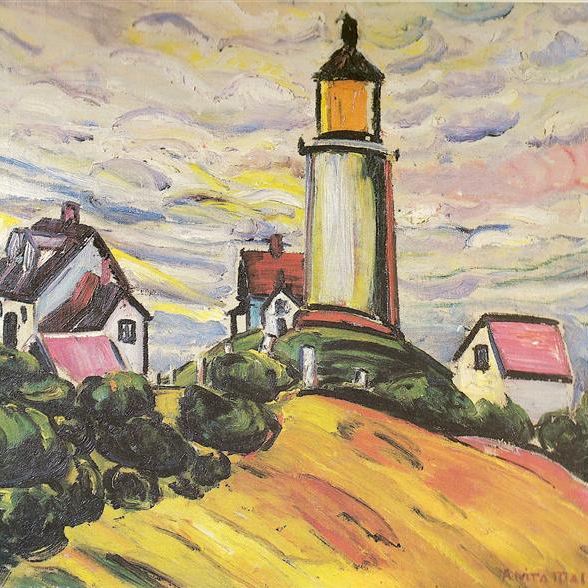
CONTEMPLAÇÃO
A mesma janela
quantas vezes aberta
e essa mesma luz
nos móveis
e os pássaros que,
dos beirais, testemunham
o mesmo sol-posto
(mais uma delação,
um acidente
e essa pergunta
– sua nódoa
nas paredes, nos esconsos,
nos espelhos
que se fecham contra
o rosto, essa pergunta).
FOTOGRAFIA
Aqui estás posto
como enfim haverá de ser:
imóvel, morto.
O que o papel revela
as tuas noites pressentiram:
certo desconforto de existir,
um frêmito qualquer nas mãos.
Ah, as mãos sabem trair-te, como
a toda gente.
E os olhos?
– congelados num poente
que se perdeu
do tempo e das cidades,
mas que ilumina agora
a tua fotografia
com a mesma luzque em sonho percebias.
Essa luz que, no papel,
fica igual a ti
e a todos,
imóvel fantasia.
NO QUARTO
além destas paredes
se exaure o mundo
o tempo é somente
o que se vê no quarto
lá fora
uma vertigem
que se apaga sempre
onde a vista alcança
nesta noite (a mesma
do nascimento de tudo)
só nosso quarto existe
ao longe sopra um rio
com milhares de anos de espera
em cada margem
com milhares de mortos e cães que choram
à porta das cidades
e perguntas que ficaram
nas valises
nesta noite
há somente
o que se vê no quarto
algo que
de tão pequeno
em nós
também se exaure
A UMA FORMIGA
Sei que cumpres teus anos
a cada minuto,
que não terás muito tempo
para o que de fato é o tempo
e suas recusas.
Vejo-te cruzar agora
o planalto de linho e trigo
que diante de mim
é uma simples mesa,
mas em ti
assombra a eternidade
com suas frutas,
seus lençóis de pão e açúcar,
suas colheres de um leite
que lembra na carne
o paraíso.
És para mim
uma máquina sem sentido no mundo.
De tua boca
fogem talvez cometas absurdos,
constelações que têm no dorso
o nome de meus antepassados,
folhagens que não vi ou não provei, palavras
que ainda me chamam
da infância.
És o que não compreendo.
O que é extremo
feito o sinal de Deus
e não compreendo.
Tu continuas sobre a mesa.
O planalto de linho não se acaba,
indiferente a mim e a ti
nesta casa.
A minha presença, o meu assombro, nada
chegou ainda a teu corpo.
Tu tens talvez este resto de tarde
que não deixará um nomena inconsciência
que te move.
Também eu
que te sei
não me salvo:
esse incêndio levará um dia
a tua lembrança
do meu sangue, levará a lembrança
de outros dias,
a lembrança do sangue
no meu sangue
e o mundo voltará à indiferença
que nos cerca.
Teu corpo vence enfim o beiral de linho
e desaparece comigo
no caos.
ONDE OUTRORA
Nada a dizer:
a própria existência
nos mira de soslaio.
Esforçamo-nos demasiado
para desconstruir o que nos confiaram.
Agora estamos livres
de toda memória.
Livres do compromisso de ser,
do compromisso de amar e respirar,
definitivamente livres
de qualquer compromisso.
A noite nos enlaça numa esquina
e é apenas noite, sem metáfora
e sem passado.
Há letreiros luminosos
onde outrora existíamos.
Rótulos, visões de venda a varejo,
outonos desplugados, um mostruário
capaz de fundir nossa vida
à mais completa fatuidade.
Há pouco trouxeram a aérea encomenda:
um pacote sem destinatário, sem remetente,
e onde, dentro, um grande vazio nos chama
pelo nome.
Foi terrível inexistir? Chegar a essa certeza
de inexistir?
Certas horas uma dor extrema
nos acende. Algo se move
em nosso estômago, fetos vivos
mordem o domingo.
Mas resistimos.
E essa é a vitória
que voltamos contra o chão,
contra o passado que insiste em erigir,
de minuto em minuto, o nosso dia.
Permanecemos, inabaláveis.
Nada nos pode roubar
a grandeza de não ser.
Inexistimos: contra todos os que outrora
fraquejaram, fizeram a inútil escolha
de existir.
Agora estamos livres.
Tocamos o instrumento de viver e morrer.
O instrumento de afiar solidões, de deslocar
sepulturas. Uma música nos socorre,
cerra nossa vista, dobra ao meio
esse velho hábito de inquirir,
de sofrer inquirindo
a luz que tomba, a eternidade
que força nosso relógio de pulso,
esse terror que nos obriga
a descansar continuamente o braço
sobre a dúvida.
Um vento sopra da infância
e traz de volta a cor dos cabelos,
as unhas, esse brilho inútil de existir.
Quantos poderiam
escavar a céu aberto esse ouro,
levantá-lo contra as aves, erigi-lo
em si para não ser?
Nada há para testemunhar,
a tudo ultrapassamos.
Um vento arrasta nossa infância contra as pedras
e é apenas vento,
sem metáfora e sem passado.
Translated
from the Portuguese by
Desirée Jung
CONTEMPLATION
The same window
many times opened
the same light
on the furniture
and the birds that,
from the eaves, witness
the same setting sun
(one more delation,
an accident
and this question
– its stain
on the walls, the slopes
the mirrors
shutting against
the face, this question).
PICTURE
You are placed here
how finally will have to be:
unmoving, dead.
What the paper reveals
your nights have sensed:
a certain discomfort from existing,
one or other trembling in the hands.
Ah, the hands know how to betray, like
everybody.
And the eyes?
– frozen in a sunset
lost
from time and the cities,
but that now illuminates
your picture
with the same lightperceived by you in a dream.
A light that, on paper,
is like you,
and everybody,
unmoving fantasy.
IN THE ROOM
beyond these walls
the world exhausts
time is only
what is seen in the room
outside
vertigo
that always erases
what the eye catches
on this night (the same
as the birth of everything)
only our room exists
far away blows a river
with thousand of waiting years
each margin
thousands of dead
and dogs that cry
at the door of the cities
and questions that remained
in suitcases
on this night
there is only
what is seen in the room
something that
for being so small
in us
exhausts, too.
TO AN ANT
I know you fulfill your years
minute after minute
and won’t have much time
for what is time in reality
its refusals.
Now I see you cross
a plateau of linen and wheat
that before me
is just a table,
but in you
haunts eternity
with its fruits
sheets of bread and sugar,
spoonfuls of milk
the flesh recalls
as paradise.
For me you are
a worldly senseless machine.
From your mouth
perhaps absurd comets escape
constellations that have on their back
the name of my ancestors,
foliage I haven’t seen or tasted, words
that still call me
from my childhood.
You are what I don’t understand.
The extreme
like God’s sign
I don’t understand.
You remain on the table.
The endless plateau of linen,
indifferent to me or you
in this house.
My presence, fright, nothing
has arrived to your body yet.
Maybe you have the afternoon’s remains
nameless in
the unconscious
that moves you.
Also I
who knows you
isn’t saved:
one day this fire will take
your memory
from my blood, take the memory
of other days,
memory of the blood
in my blood
and the world will return to the indifference
surrounding us.
Finally your body overcomes the eaves of the linen
and disappears with me
in the chaos.
WHERE ONCE
Nothing to say:
the very existence
staring at us sideways.
We made too much effort
deconstructing what has been trusted to us.
We are free now
from all memory.
Free from the duty of being,
loving and breathing,
definitely free
from any commitment.
Night enlaces us in a corner
and night it is, only, without metaphor
or past.
Illuminated signs are
where once we existed.
Labels, visions of retail sales,
unplugged autumns, a display
capable of melting our life
to the most complete fatuity.
Moments ago, the airmailed order was brought:
a package without a receiver or sender
and, inside, a large emptiness calling us
by the name.
Was it terrible not to exist? Arrive at this certainty
of not existing?
Certain hours, an extreme pain
lights us. Something moving
in our stomach, living fetus
bite the Sunday.
But we resist.
And this is the victory
turned against the ground,
against the past that insists to elevate,
minute after minute, our day.
Unshaken, we remain.
Nothing can steal
the greatness of not being.
Non-existence: against those who once
faltered, making the useless choice
of existing.
Now we are free.
We touch the instrument of living and dying.
The instrument of tuning loneliness, displacing
graves. A song saves us,
blocks our sight, folds in half
this old habit of inquiring,
inquiring in suffering
the light that falls, the eternity
that pushes our wristwatch,
this terror that obliges us
to continually rest the arm
against doubt.
A wind blows from childhood
and brings back the color of hairs,
nails, this useless glow of being.
How many could
dig such gold under open sky
raise it against the birds, elevate
within and avoid being?
There is nothing to testify,
we have surpassed everything.
A wind drags our childhood against the rocks
and it is only wind,
no metaphor or past.
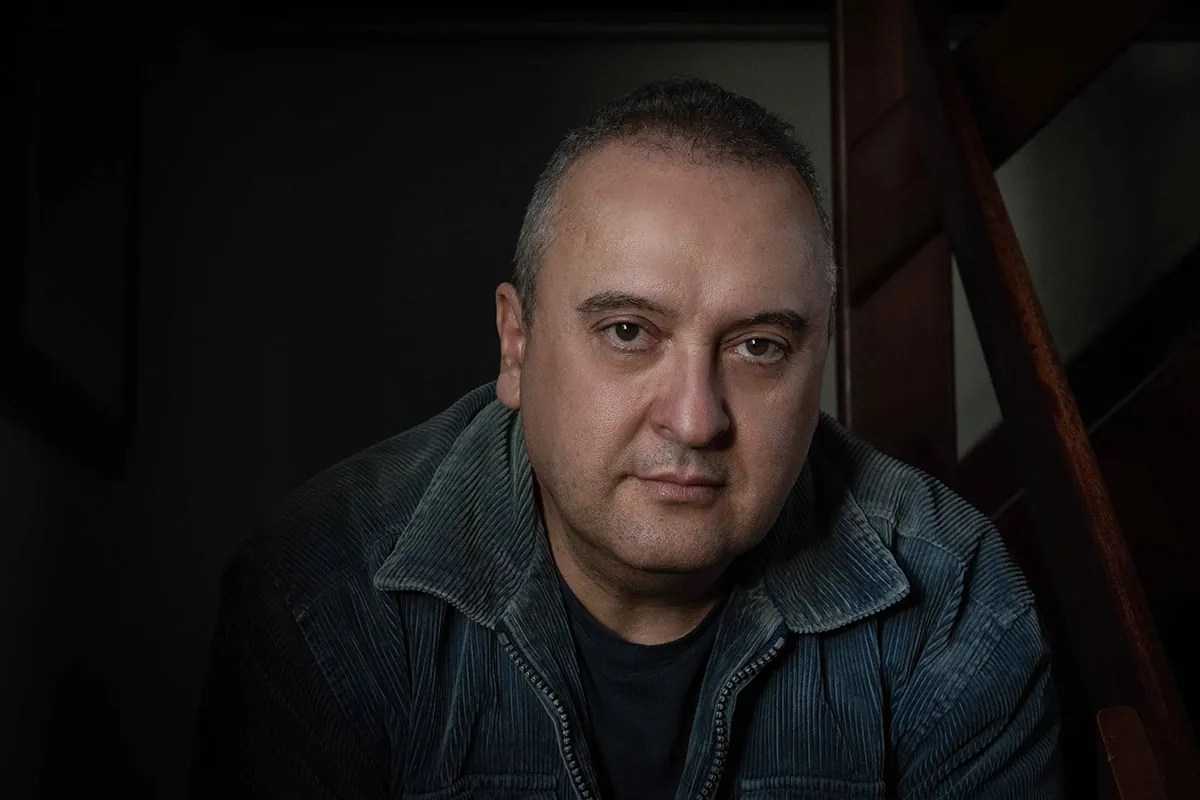
Iacyr Anderson Freitas: Having published numerous books over more than four decades of literary career, the Brazilian poet, essayist, and short story writer Iacyr Anderson Freitas (born in 1963) has won at least twenty national and international awards, including first place in the National Literary Prize of the PEN Club of Brazil (Poetry) with his book Viavária, and, on two occasions, first place in the National Literature Contest City of Belo Horizonte (Poetry). His short story collection Trinca dos Traídos also received an honorable mention at the Casa de las Américas Literary Prize in Cuba. More recently, his poetry book Ar de Arestas was a finalist for the Jabuti Prize and semifinalist for the Portugal Telecom Prize, while Os Campos Calcinados was a semifinalist for the Oceanos Prize. His work has been translated into several languages and published in many countries, including Argentina, Chile, Colombia, Spain, France, Italy, England, Malta, Nicaragua, Peru, Portugal, Switzerland, the USA, and Venezuela.
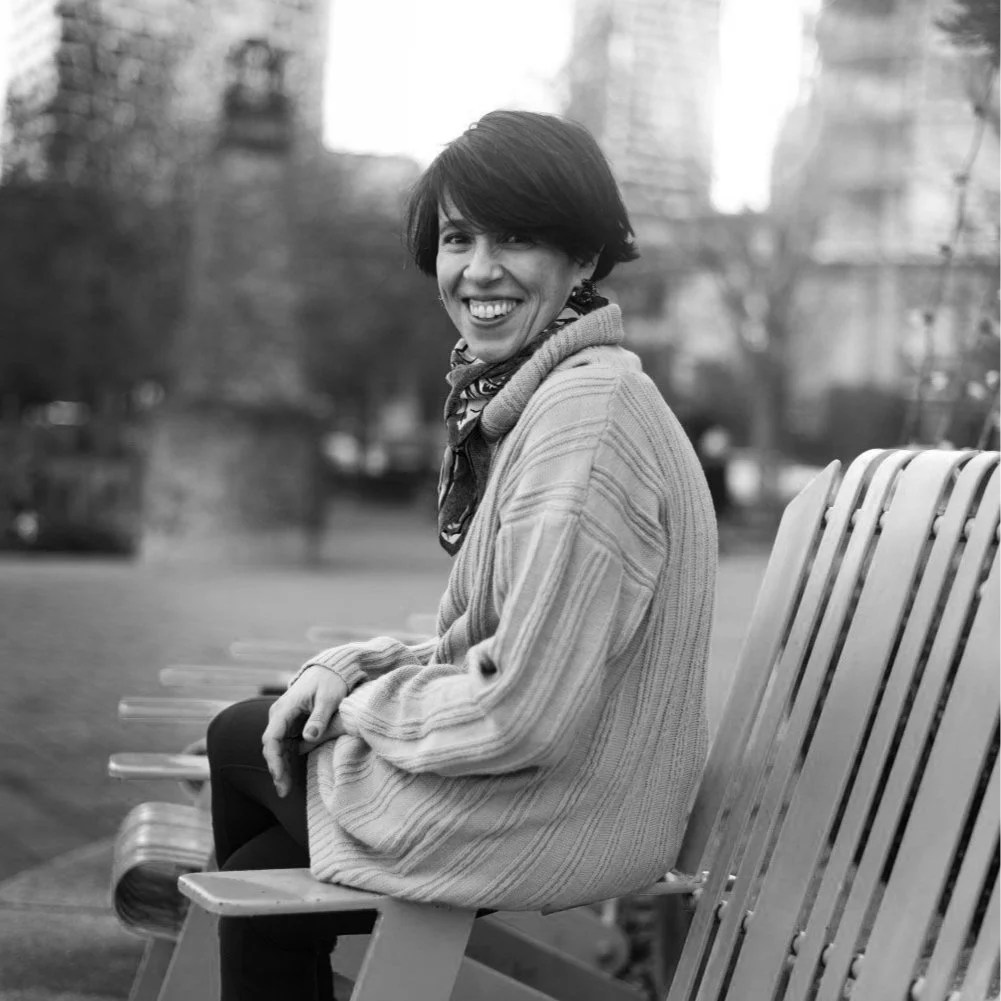
Desirée Jung is a writer and literary translator who has published poems, short stories, and translations in various magazines across Europe and North America. Among these are Exile, Modern Poetry in Translation, The Antigonish Review, and Belleville Park Pages.
Her most recent translations of poems and short stories by Iacyr Anderson Freitas have been published in Le Scat Noir, The Fiction Pool, Arte / artefato, The Dallas Review, The Flexible Persona, and Canada Quarterly, among others.
Her short story collection Submerged Desires was published by Chiado Publishing in Portugal. She holds a specialization in Film from the Vancouver Film School, a Master of Fine Arts in Creative Writing, and a PhD in Comparative Literature, both from the University of British Columbia in Vancouver, Canada.
For more information, please visit: www.desireejung.com
 Farol: Journal of literature and other arts